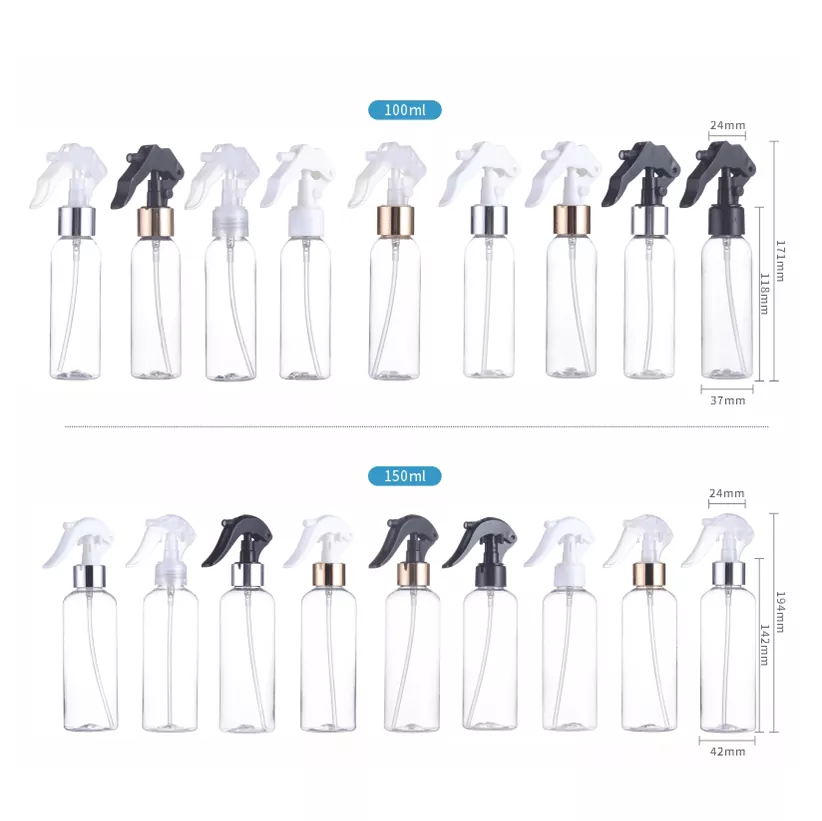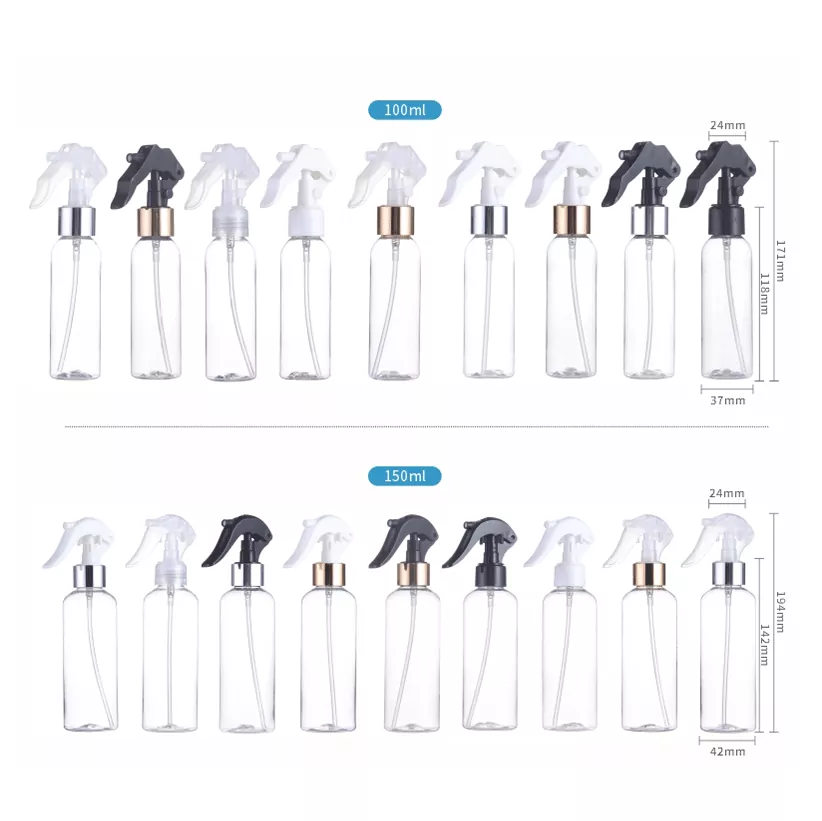

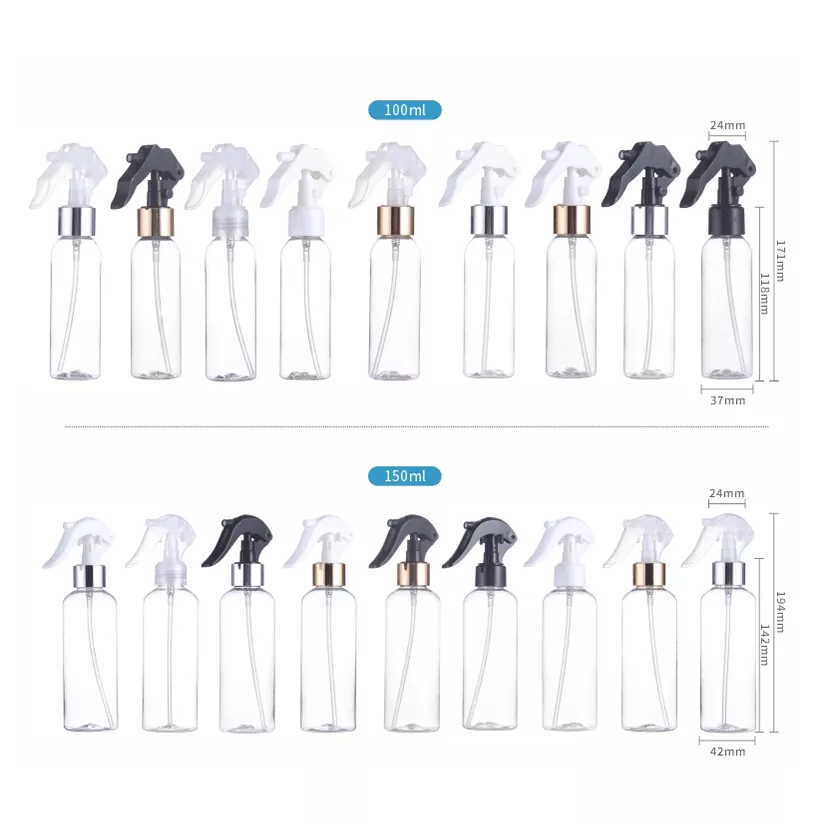
Choosing the right Household Trigger Spray Bottle can improve dispensing control, reduce unnecessary liquid waste, and create a more convenient cleaning experience. Chenmei Packaging provides customizable trigger spray packaging solutions designed for household cleaning products, plant care liquids, and other compatible formulations, helping brands balance practical performance, reliable packaging, and attractive product presentation.
A household trigger spray bottle is more than a simple liquid container. Its bottle material, trigger mechanism, nozzle design, sealing structure, and dispensing performance all influence usability and packaging reliability. For household cleaning brands, distributors, private-label businesses, and wholesale buyers, selecting the right configuration can help improve product differentiation and daily handling. This guide explains the main benefits of trigger spray bottles, compares common sprayer types, outlines essential purchasing considerations, and explores how customization can support different household product applications.
1. What Is a Household Trigger Spray Bottle?
2. What Are the Main Benefits of a Household Trigger Spray Bottle?
3. Which Materials and Design Features Matter Most?
4. How Do Different Trigger Sprayer Types Compare?
5. Where Can Household Trigger Spray Bottles Be Used?
6. How Should Buyers Choose the Right Spray Bottle?
7. How Can Customization Improve Brand Packaging?
8. How Can Buyers Evaluate Packaging Quality?
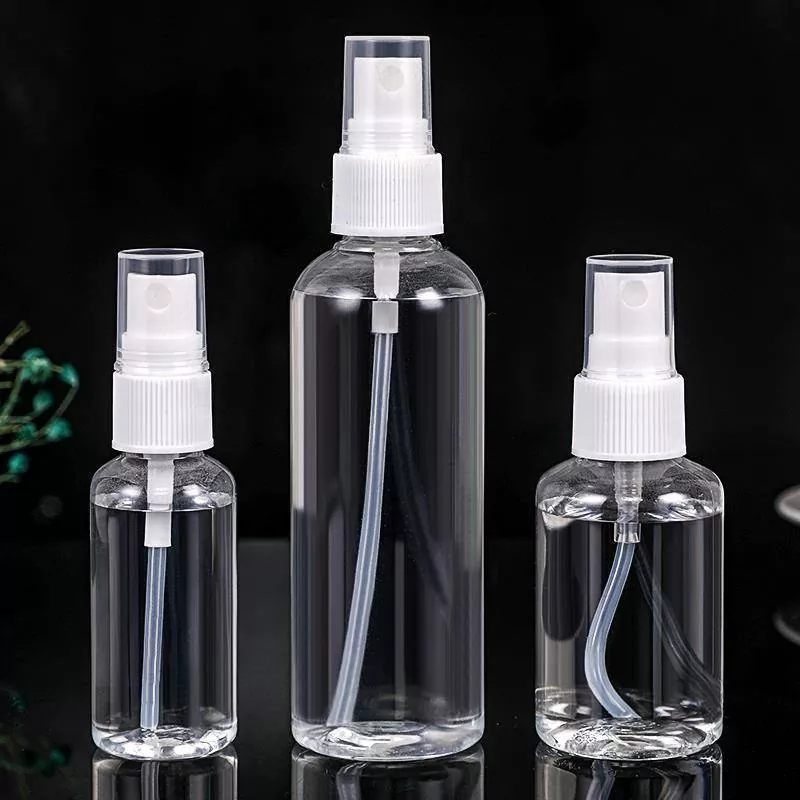
A household trigger spray bottle is a dispensing container equipped with a hand-operated trigger sprayer. When the user squeezes the trigger, the mechanism draws liquid through a dip tube and releases it through a nozzle. Depending on the sprayer design, the liquid can be delivered as a fine mist, a concentrated stream, or a foam.
These bottles are widely used for everyday products because they offer convenient, controlled application without requiring users to pour liquids directly from a container. They are suitable for many water-based household formulations, provided that the bottle, seals, and dispensing components are compatible with the intended liquid.
For packaging manufacturers and wholesale buyers, the product should be evaluated as a complete dispensing system rather than simply a plastic bottle. The performance of the trigger head, threaded neck, dip tube, gasket, and nozzle determines how effectively the package works during repeated use.
Chenmei Packaging offers customizable trigger spray packaging designed for household cleaning, plant care, and other compatible liquid products. Depending on the project, buyers can discuss bottle capacities, sprayer configurations, colors, and branding requirements.
A trigger mechanism allows users to apply liquid directly to a target surface. Compared with open-mouth containers, a spray bottle can provide more controlled distribution, making it useful for countertops, glass, bathroom fixtures, and other cleaning tasks.
Adjustable nozzles can offer different spray patterns, helping users choose between broader coverage and more concentrated application. Actual output and spray distance depend on the nozzle design, liquid viscosity, and operating conditions.
Controlled dispensing can help reduce accidental spills and unnecessary application. A properly matched dip tube also helps draw liquid from the bottle, while a suitable trigger output allows users to apply an appropriate amount for each task.
However, reducing waste depends on more than the packaging itself. The formulation, cleaning procedure, spray setting, and user habits also influence consumption.
Many household trigger spray bottles use lightweight plastic bodies paired with detachable sprayers. When the bottle and formula are suitable for repeated use, this construction can support refill-based routines and simplify handling.
Refillability should not be confused with universal chemical compatibility. Buyers should confirm whether the bottle material, seals, dip tube, and spring components can withstand the intended formulation over the expected service life.
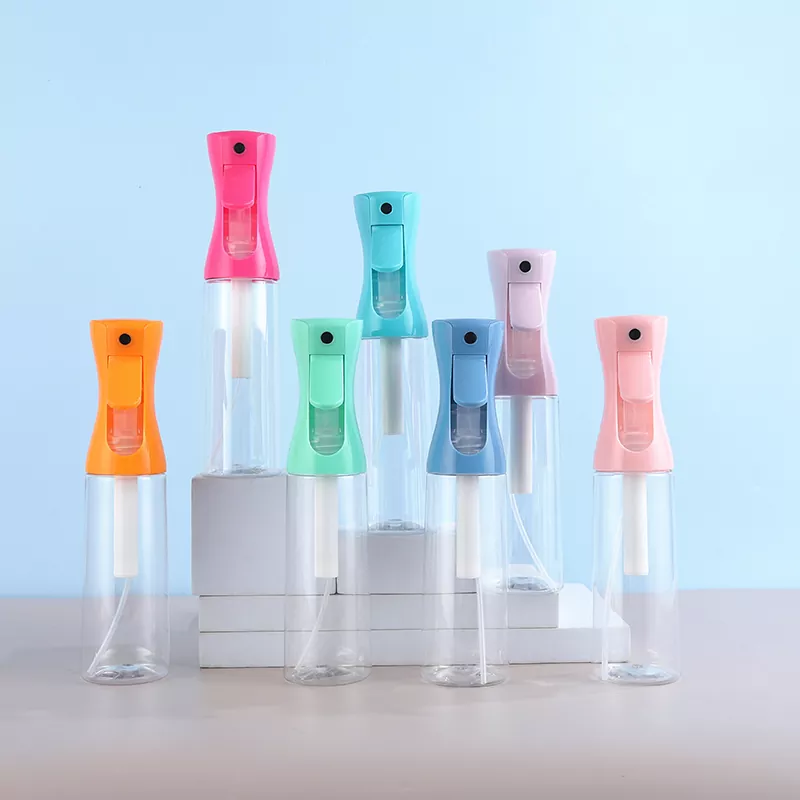
A well-designed bottle can make a cleaning product easier to identify and more appealing on retail shelves. Transparent bodies allow users to monitor the remaining liquid, while custom colors, printed logos, and coordinated trigger finishes can reinforce brand recognition.
For private-label businesses, packaging design can help distinguish different formulas, fragrance variants, and product categories without changing the core dispensing concept.
Material selection and component compatibility are essential when sourcing a household trigger spray bottle. The best configuration depends on the liquid formula, required capacity, expected usage frequency, transport conditions, and target market.
| Component | Common Material or Feature | Key Purchasing Consideration |
|---|---|---|
| Bottle body | PET or other suitable plastic | Transparency, impact resistance, chemical compatibility, and appearance |
| Trigger housing | Commonly PP or a compatible polymer | Ergonomics, durability, and stable trigger operation |
| Dip tube | Commonly PE | Correct length, liquid compatibility, and effective liquid pickup |
| Sealing gasket | EPDM, NBR, or another compatible elastomer | Resistance to the formulation and reliable sealing |
| Spring mechanism | Stainless steel or a spring-free plastic design | Corrosion resistance and suitability for the intended liquid |
| Nozzle | Adjustable mist, stream, or foam configuration | Spray consistency, output, and application requirements |
For further packaging options, buyers can explore Chenmei's trigger spray packaging solutions and cosmetic and household packaging range.
Not every application requires the same dispensing mechanism. A standard adjustable trigger may suit general household cleaners, while a foam sprayer can be more appropriate for formulations designed to produce a clinging foam. Choosing the right type helps align packaging performance with the product's intended function.
| Sprayer Type | Typical Output | Suitable Applications | Main Consideration |
|---|---|---|---|
| Mini trigger sprayer | Approximately 0.3–0.6 cc per stroke | Small-format sprays and selected light-duty products | Compact size and lower output |
| Standard trigger sprayer | Approximately 0.8–1.4 cc per stroke | Household cleaners, compatible disinfectants, and plant sprays | Versatile dispensing and practical daily use |
| Spring-free plastic trigger | Approximately 0.7–1.2 cc per stroke | Selected applications requiring an all-plastic dispensing mechanism | Material compatibility and recycling considerations |
| Foam trigger sprayer | Foam output rather than a conventional liquid mist | Compatible bathroom cleaners, detergents, and selected car-care products | Requires a suitable formulation and foaming mechanism |
Note: These figures are indicative model specifications, not universal performance guarantees. Actual output, bottle capacity, neck finish, and spray pattern should be confirmed with the supplier for the selected model.
A standard adjustable trigger sprayer is often a practical starting point for general-purpose cleaning liquids. Its nozzle may offer mist, stream, and off settings, depending on the design.
For products that need foam to remain on a surface for longer, a dedicated foam trigger may be more suitable. Before ordering, buyers should test the actual formula because viscosity, surface tension, and other formulation characteristics can influence dispensing performance.
The versatility of a household trigger spray bottle makes it suitable for multiple consumer and commercial applications. The key is to match the container and sprayer to the chemical properties and dispensing needs of each liquid.
Application suitability must be confirmed individually. For example, some concentrated acidic or alkaline cleaners, solvents, and oxidizing formulations may damage particular plastics, seals, or metal springs. Product developers should conduct compatibility testing before commercial use.
For importers, wholesalers, distributors, and household product manufacturers, an effective sourcing process starts with the formulation and ends with a verified packaging sample. Evaluating the following factors can help reduce mismatches between the bottle and the finished product.
Provide the supplier with relevant information about the formula, including its approximate viscosity, pH range, solvent content, and any known compatibility requirements. Safety data sheets and technical information can help guide material selection.
Choose a capacity that balances product quantity, handling comfort, shelf presentation, and shipping efficiency. Chenmei's trigger spray product information describes different capacity options for varied applications, with specific selections depending on the model.
Common trigger sprayer neck sizes include 24/410 and 28/410, with 28/400 also used for certain models. These designations are not automatically interchangeable. The bottle neck, closure dimensions, and thread specification must match precisely.
Decide whether the product needs a fine mist, direct stream, foam, or a lockable trigger mechanism. The selected nozzle should deliver the desired coverage without excessive dripping, irregular output, or difficulty operating the trigger.
Before placing a bulk order, confirm the following details:
For international purchasing, it is also useful to clarify labeling requirements, packaging regulations, and any destination-market restrictions relevant to the final product.
Customization allows a household cleaning brand to create a consistent product identity while retaining a practical dispensing design. For bulk buyers, it can also help organize product variants and distinguish different formulations within the same product family.
Transparent bottles allow customers to see the remaining liquid, while colored bottles can help differentiate product categories or support a brand's visual identity. Trigger heads, collars, and bottle bodies may be coordinated where the selected materials and production processes permit.
Custom printing can display brand names, product information, usage instructions, and other approved label content. The appropriate printing method depends on the material, design complexity, order volume, and durability requirements.
Different bottle sizes may be suitable for consumer retail, refill packs, sample products, or professional cleaning supplies. Matching the trigger output to the bottle capacity and intended use can help create a more balanced user experience.
Chenmei Packaging provides customized packaging services, including options for bottle design, color matching, logo printing, and related product development. Buyers can discuss whether an existing mold meets their requirements or whether a more specific design needs to be evaluated.
To compare available configurations, visit the trigger spray product page. Preparing a clear specification sheet before requesting a quotation can help streamline sample selection and communication.
Packaging quality affects user experience, product protection, transportation reliability, and the consistency of large orders. A professional evaluation should cover both the bottle body and the complete dispensing assembly.
Chenmei Packaging describes quality checks that include air-tightness and drop-resistance testing for its trigger spray bottles, alongside inspection measures intended to address leakage and inconsistent dispensing. Buyers should request the test scope and applicable documentation for the specific model being considered.
A reliable supplier evaluation should also include sample approval, written specifications, agreed acceptance criteria, and a clear process for handling nonconforming products. These steps are particularly important when purchasing packaging in large quantities for export or private-label production.
A household trigger spray bottle is used to dispense compatible liquids through a hand-operated spray mechanism. Typical applications include household cleaning, glass care, bathroom maintenance, plant care, and selected automotive products.
PET is commonly used for bottle bodies because it is lightweight and offers good transparency. PP is frequently used in trigger components, while PE is often used for dip tubes. The final material combination should be selected according to the formulation and required performance.
Many models can be refilled if their construction and the intended liquid support repeated use. Before refilling, check the manufacturer's instructions, clean the container appropriately, and confirm chemical compatibility. Do not reuse a container for an incompatible liquid or a different product without proper assessment.
A mist sprayer disperses liquid into droplets, while a foam trigger is designed to produce foam. The best option depends on the formula, the surface being treated, and the desired application method.
Confirm the exact neck-finish specification on both the bottle and the trigger sprayer. Common options include 24/410 and 28/410, but matching the nominal size alone is not sufficient if the thread design or sealing requirements differ.
Chenmei Packaging offers packaging customization options that can include bottle colors, logo printing, and different product configurations. Availability depends on the selected model, order quantity, production requirements, and requested design.
Select a compatible sealing system, verify the threaded connection, and test the fully assembled package under relevant transport conditions. Suitable secondary packaging and appropriate shipping orientation may also help reduce risk. No packaging design should be assumed leakproof under every condition without validation.
Provide the intended application, liquid type, target capacity, preferred bottle and trigger colors, neck-finish requirements, logo specifications, estimated order quantity, destination market, and delivery schedule. If available, include a reference image or technical drawing to improve quotation accuracy.
A well-selected Household Trigger Spray Bottle combines practical dispensing, appropriate material selection, reliable sealing, and a design that suits the intended liquid and user. For household cleaning brands and wholesale buyers, evaluating the complete bottle-and-trigger assembly is essential for achieving consistent performance and reducing avoidable packaging problems. Capacity, neck finish, spray pattern, chemical compatibility, customization options, and quality verification should all be considered before a bulk purchase.
Chenmei Packaging supports buyers seeking customizable trigger spray packaging for household and other compatible liquid products. Whether you are developing a new private-label cleaning range or sourcing packaging for established products, share your requirements with the team to discuss suitable specifications, sample evaluation, and branding options. Visit the Household Trigger Spray Bottle product page for more information, and contact us to request a tailored quotation and explore a packaging solution that fits your product, market, and purchasing goals.