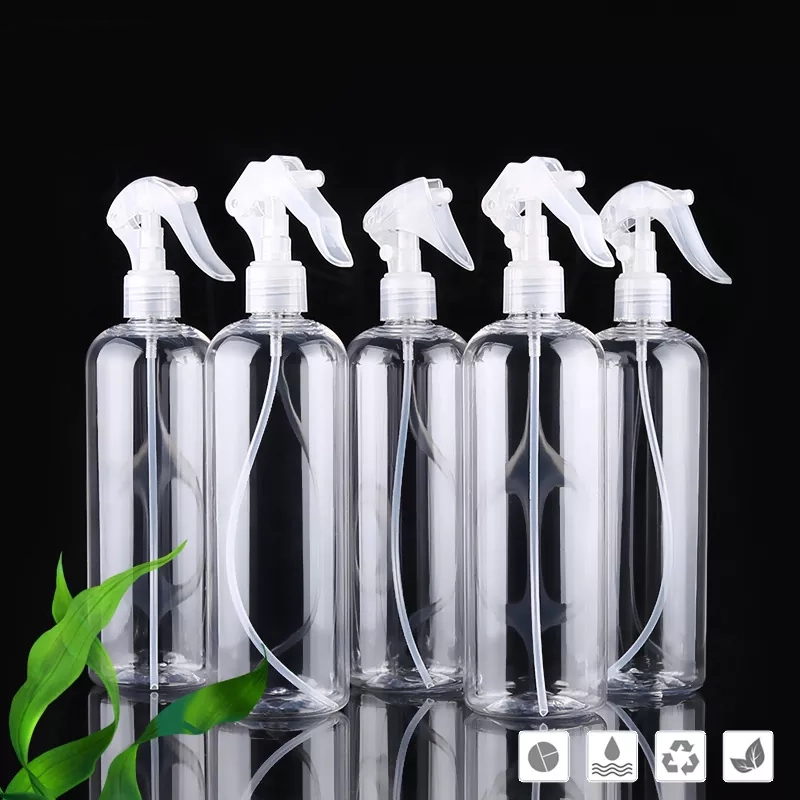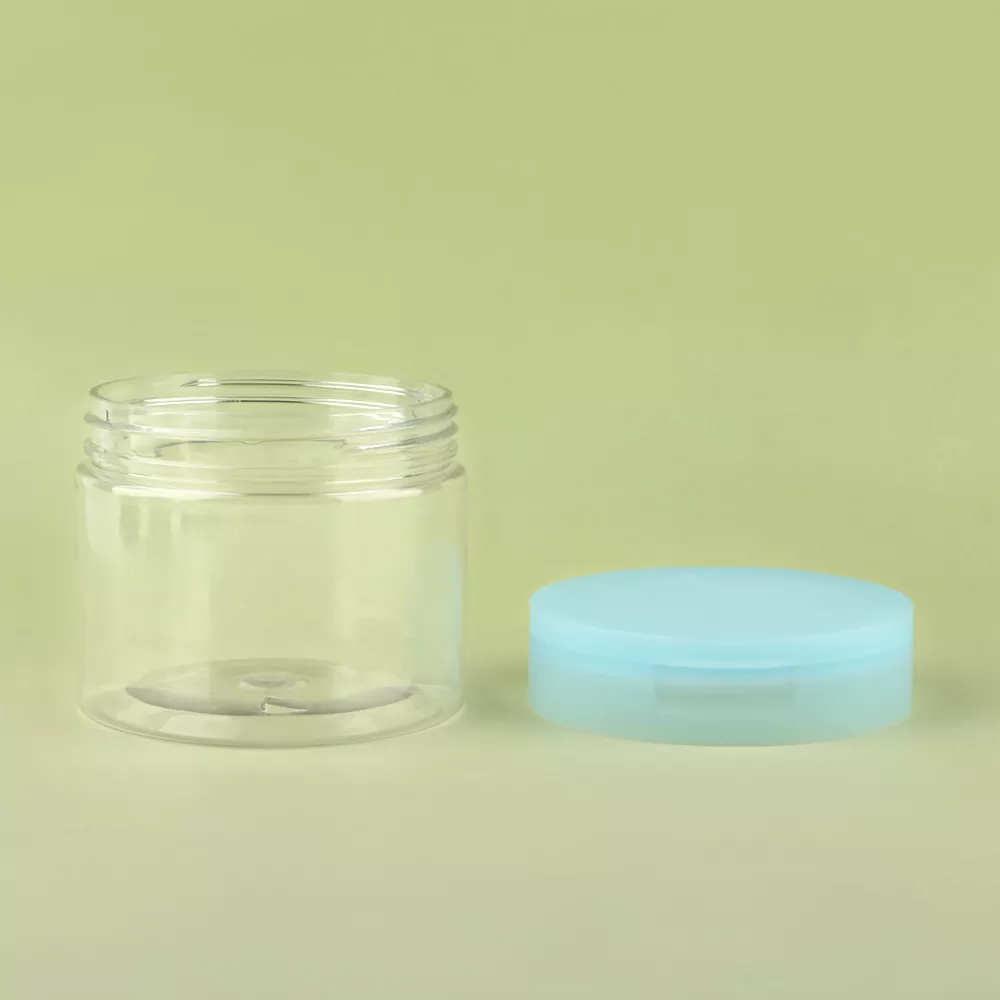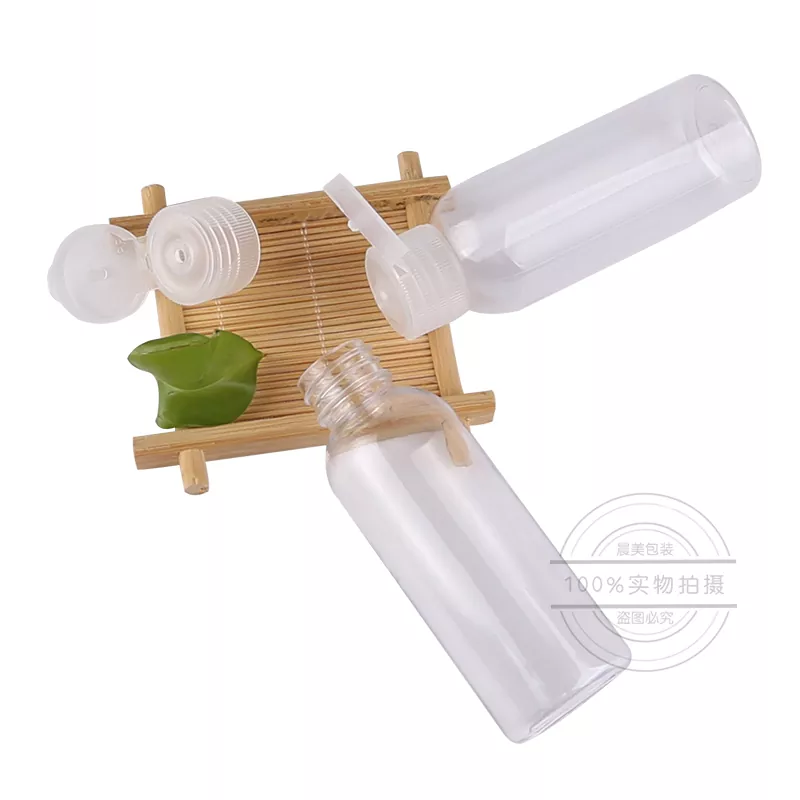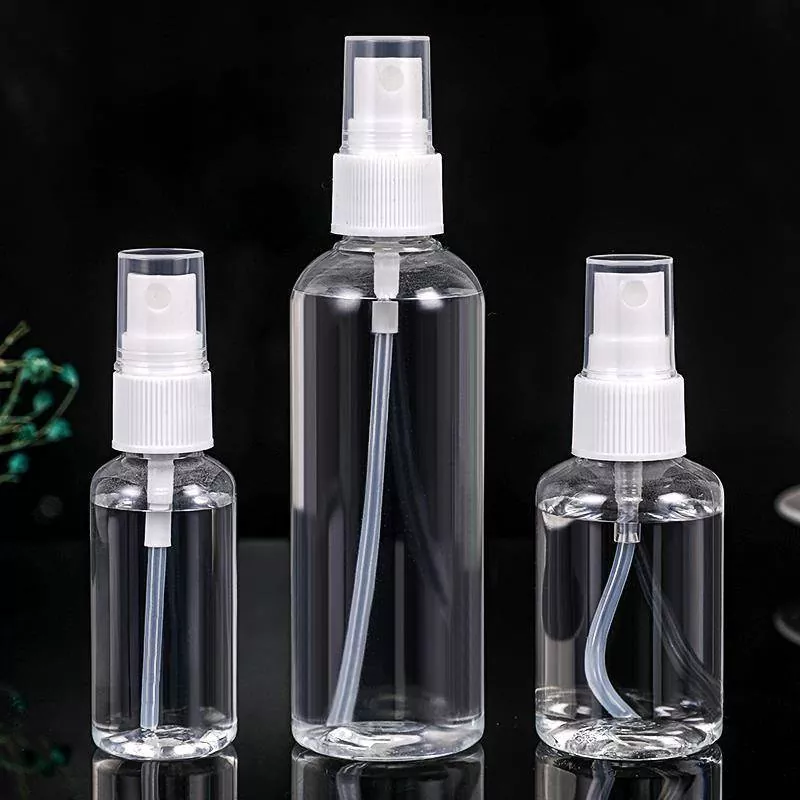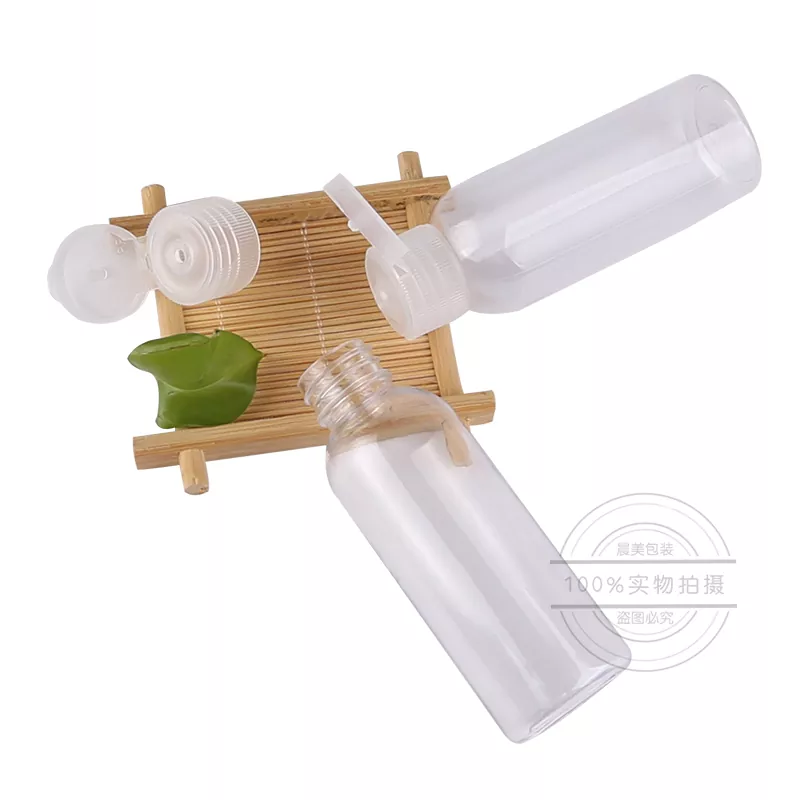

Chenmei offers cosmetic packaging solutions for brands seeking practical, attractive, and functional closures, including the Flip Top Dispensing Cap for Cosmetic Bottles. Designed for convenient access to everyday personal care formulations, this cap style combines a hinged opening mechanism with a dispensing orifice, helping skincare and haircare brands deliver a user-friendly packaging experience while maintaining a neat bottle appearance.
A Flip Top Dispensing Cap for Cosmetic Bottles is a practical closure designed to make cosmetic and personal care products easier to open, dispense, and reseal. Commonly used for shampoo, conditioner, body wash, facial cleanser, and selected lotions, this packaging component supports one-handed operation and helps control product flow during daily use. Choosing the right cap involves more than appearance: neck-finish compatibility, material selection, sealing performance, formula viscosity, dispensing-hole design, and transportation requirements all influence packaging performance. This guide explains how flip-top caps work, their key benefits, suitable applications, purchasing considerations, and quality checks that cosmetic brands should complete before placing a bulk order.
1. What Is a Flip Top Dispensing Cap for Cosmetic Bottles?
2. How Does a Flip-Top Dispensing Cap Work?
3. What Are the Main Benefits of Flip-Top Caps?
4. Which Cosmetic Products Use Flip-Top Caps?
5. Materials and Specifications to Consider
6. How Does a Flip-Top Cap Compare with Other Closures?
7. How to Choose the Right Flip-Top Cap
8. Quality Testing and Packaging Considerations
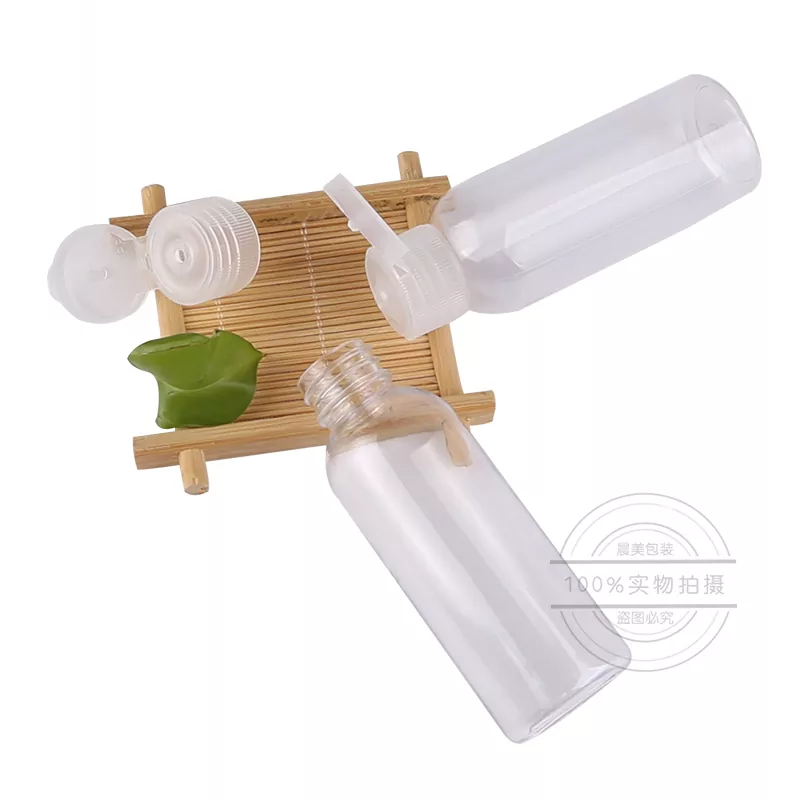
A Flip Top Dispensing Cap for Cosmetic Bottles is a plastic closure featuring a hinged lid that opens to expose a dispensing opening. Users can open the lid, squeeze or tilt the bottle to release the contents, and close the cap again after use. This design combines straightforward operation with a compact structure suitable for many everyday personal care products.
Unlike a basic screw cap that must be removed and replaced, a flip-top cap keeps the opening mechanism attached to the closure. This reduces the chance of misplacing a separate lid and makes repeated dispensing more convenient, particularly in bathrooms, shower areas, travel kits, and other situations where users may have only one hand available.
Flip-top caps are commonly manufactured from polypropylene (PP), a plastic widely used in cosmetic and household packaging. Available designs can differ in cap profile, hinge construction, dispensing-hole geometry, surface finish, and bottle-neck compatibility.
Chenmei supplies a range of cosmetic and household packaging components, including flip-top caps and related closures. Its published packaging information identifies common flip-top cap neck-size options such as 24/410, 28/410, and 33/410, subject to the specific model and compatibility requirements.
For product details and matching packaging options, visit the Flip Top Dispensing Cap for Cosmetic Bottles product page.
The operating principle is simple, but the performance of the closure depends on the quality of its components and its compatibility with the bottle and formulation.
The cap is fitted to a compatible bottle neck, typically through a threaded closure design. Correct thread dimensions and matching specifications help the cap sit securely and reduce the risk of loosening during ordinary handling.
The user lifts the lid to expose the dispensing orifice. A well-designed hinge should allow smooth opening and closing while retaining sufficient durability for repeated everyday use.
The bottle is tilted or gently squeezed, depending on its material, shape, and contents. The dispensing opening influences the amount and speed of product release. A larger opening may suit some thicker formulations, while a smaller opening can help regulate thinner liquids.
The hinged lid is pressed back into its closed position. The closure should remain securely shut during normal handling and storage. However, the cap's ability to prevent leakage depends on its sealing structure, bottle compatibility, product viscosity, and the conditions in which the package is used or transported.
Brands should test the complete bottle-and-cap assembly rather than assessing the closure in isolation.
Convenience is one of the most recognizable benefits of flip-top packaging. Users do not need to remove a separate screw cap each time they want to dispense a product. This makes the design especially practical for shampoo, body wash, conditioner, and other products frequently used in wet environments.
A suitable dispensing opening helps users release the quantity they need without repeatedly opening a wide bottle mouth. The final dispensing experience depends on the orifice size, bottle flexibility, formulation viscosity, and how the package is positioned.
For brands selling products with different textures, sample testing is important. A cap that works well with a thin cleanser may not perform equally well with a thick conditioner or concentrated cream.
Plastic flip-top caps offer a relatively lightweight closure option for mass-market and travel-size packaging. Their compact design can also simplify product handling and integration into existing packaging lines, provided that the cap dimensions match the bottle and filling-line requirements.
Packaging appearance influences how consumers recognize a product on retail shelves and online listings. Depending on the model and manufacturing capabilities, brands may explore different colors, finishes, and coordinated bottle designs to maintain a consistent visual identity.
Before confirming a custom finish, buyers should request samples and check color consistency, surface quality, and compatibility with the intended bottle decoration.
A hinged lid allows consumers to close the dispensing opening between uses. This helps keep the opening covered and can reduce exposure to dust and accidental contact. It should not, however, be treated as a substitute for a validated airtight seal or a sterile packaging system.
Flip-top closures are suitable for a broad range of cosmetic and personal care products, particularly formulations that can be dispensed by tilting or gently squeezing the bottle.
Not every cosmetic formulation is suitable for a standard flip-top opening. Very thick creams, products containing large particles, and formulations requiring highly controlled dosing may need a pump, specialized nozzle, tube, or another dispensing solution.
Brands should evaluate the product's viscosity, chemical composition, expected usage, and dispensing requirements before selecting a closure.
Material and dimensional compatibility are essential when sourcing flip-top caps. A closure can look correct but still perform poorly if its threads, sealing surfaces, or opening dimensions do not match the intended package.
PP is widely used for cosmetic closures because it is lightweight and can be molded into detailed shapes. Its suitability for a particular formula should be confirmed through material documentation and compatibility testing. Do not assume that every PP grade is appropriate for every cosmetic ingredient or storage condition.
Thread size and neck finish determine whether a cap can be properly installed on a bottle. Chenmei's general packaging range lists flip-top cap options associated with common sizes such as 24/410, 28/410, and 33/410. Availability and exact dimensions must be confirmed for the specific model.
The opening should support the intended flow rate without excessive squeezing, uncontrolled discharge, or frequent blockage. The ideal design depends on formulation viscosity, bottle flexibility, and the desired consumer experience.
The hinge should tolerate repeated opening and closing, while the lid should remain properly seated when closed. Buyers should inspect hinge movement, lid retention, molding quality, and visible defects in samples.
Different closure types solve different packaging problems. The most appropriate choice depends on the product formula, expected dispensing behavior, brand positioning, and cost targets.
| Closure Type | Typical Applications | Main Advantages | Key Considerations |
|---|---|---|---|
| Flip-top dispensing cap | Shampoo, body wash, cleanser, selected lotions | Quick access, attached lid, convenient repeated use | Requires suitable orifice sizing and secure closure retention. |
| Screw cap | Liquids, gels, creams, refill containers | Simple structure and broad packaging versatility | Must be removed and replaced for each use. |
| Disc-top cap | Shampoo, conditioner, body lotion | Push-to-open operation and compact dispensing format | Performance depends on opening design and formula viscosity. |
| Lotion pump | Body lotion, liquid soap, selected skincare products | Convenient repeated dispensing with a defined pump output | Requires a compatible pump assembly and dip tube where applicable. |
| Fine mist sprayer | Facial mist, toner, setting spray | Distributes suitable liquids as a spray | Not suitable for every viscosity or particle-containing formula. |
The table provides a general selection guide rather than a guarantee of performance for every product. Actual suitability should be confirmed through testing with the intended formulation and bottle.
For cosmetic brands, selecting the right closure requires coordination between product development, packaging procurement, quality assurance, and production teams. The following checklist helps reduce compatibility problems before mass production.
Provide the supplier with the bottle drawing, neck-finish dimensions, or a physical sample. Confirm thread compatibility and closure seating rather than relying on nominal size alone.
Test the intended cosmetic formula at its expected operating temperature and throughout its normal storage period. Observe flow consistency, dripping, blockage, material changes, and any signs of incompatibility.
Check whether users can open and close the lid comfortably. Consider the force required to operate the hinge, the ease of dispensing, and whether the bottle can be handled conveniently by the target customer group.
Discuss available colors, finishes, logo-related requirements, and matching bottle styles with the packaging supplier. Confirm minimum order quantities, sampling arrangements, production lead times, and any additional tooling costs before finalizing the order.
Evaluate more than the unit quotation. Include transportation, packaging-line compatibility, inspection requirements, potential product loss, and the cost of managing defects or replacements.
Reliable cosmetic packaging depends on the performance of the complete package. Before approving a bulk order, brands should establish testing procedures appropriate to their formulation, packaging design, distribution route, and market requirements.
Test filled bottles under representative storage and transportation conditions. Evaluate cap retention, leakage, and accidental opening. Where appropriate, include vibration, drop, and orientation tests based on the actual distribution risks.
Repeatedly open and close sample caps to evaluate hinge integrity and lid retention. Define a suitable test cycle count according to the product's expected use and the supplier's documented specifications.
Inspect thread dimensions, cap alignment, molding marks, surface defects, and the condition of the dispensing opening. Consistent dimensional control helps prevent assembly problems during high-volume filling and packaging.
Store the intended formulation in contact with the relevant packaging components under defined conditions. Monitor changes in appearance, odor, closure performance, and material condition over the planned evaluation period.
Confirm that the cap can be fitted consistently using the intended capping equipment and production settings. Excessive application torque, misalignment, or inconsistent closure installation can compromise package performance even when the cap itself meets its dimensional requirements.
Chenmei's published packaging information describes quality-control processes across manufacturing and assembly. Buyers should request the specific inspection records and test procedures applicable to their chosen cap and order.
It is used to close cosmetic and personal care bottles while providing convenient access to the contents through a hinged lid and dispensing opening. Common applications include shampoo, conditioner, body wash, facial cleanser, and selected lotion formulations.
Polypropylene (PP) is a common material for flip-top closures because it can be molded into practical cap and hinge structures. The specific material grade should be selected according to the formula, storage conditions, and relevant packaging requirements.
Check the bottle's neck-finish dimensions, thread specifications, and sealing interface. Provide a drawing or sample to the supplier and test the proposed cap on the actual bottle before approving bulk production. Similar nominal sizes do not automatically guarantee compatibility.
Customization may include color, finish, and coordination with the bottle design, depending on the supplier's available models and manufacturing capabilities. Chenmei offers OEM and ODM packaging customization services. Confirm the specific options, minimum order quantity, sample approval process, and lead time for your project.
Leakage performance depends on the cap structure, bottle-neck compatibility, sealing design, formulation, filling conditions, and transportation environment. A closed flip-top lid does not automatically guarantee a hermetic seal. Conduct package-level leakage and transportation tests before commercial distribution.
Provide the intended bottle type, neck-finish dimensions, formulation category, target cap color, estimated order quantity, customization requirements, and delivery destination. A bottle sample or technical drawing can help the supplier assess compatibility and recommend a suitable closure.
A Flip Top Dispensing Cap for Cosmetic Bottles offers a practical combination of convenience, compact design, and accessible dispensing for many personal care applications. Selecting the right cap requires careful attention to neck compatibility, material suitability, dispensing performance, hinge durability, appearance, and package-level testing. For cosmetic brands and packaging distributors, working with an experienced supplier can simplify component matching and customization while helping reduce avoidable production issues. Chenmei provides cosmetic and household packaging solutions, including flip-top closures and OEM/ODM customization options. If you are developing a new skincare line, upgrading existing packaging, or sourcing caps for bulk production, contact us to discuss your bottle specifications, request product samples, and identify a suitable packaging solution for your brand.